

 Acknowledging Country in infrastructure proposals
Written by Stephanie De Leon, Principal Consultant, Frontrunner Communications
A small paragraph. Big impact. Your Acknowledgment of Country sets the tone for respect, collaboration, and professionalism, before anyone reads a single word of your proposal.
Your Acknowledgment of Country sets the tone for your whole proposal
It’s one of the first impressions your proposal makes — before the executive summary, before the methodology, before the CVs. Too often, it’s treated as a formality: a line inserted at the front and forgotten. But for projects that physically engage with land, water, and communities, this small paragraph carries real weight. Done well, it signals to the panel, and to the community, that your team has taken the time to understand the Country the project sits on.
Why acknowledgment matters
In Australian infrastructure projects, including an Acknowledgment of Country has become standard practice. But standard practice and genuine practice aren’t the same thing. A generic paragraph, dropped in because it’s expected, tells a panel — and a community — exactly how much thought went into the rest of the document.
For projects that engage directly with land, water, and communities, the acknowledgment should carry meaning. It’s not just about recognising history; it’s about acknowledging the ongoing connection that Traditional Custodians have with the land and waters where we work. Get it right, and it does real work for your proposal before a single technical page is turned: it signals respect, awareness, and a commitment to working responsibly with the community.
Knowing the Country
Crafting sincere language
Integrating the acknowledgment with your proposal
Accompanying imagery
Accompanying imagery can strengthen an Acknowledgment of Country by adding depth, clarity, and cultural respect. The most effective visuals help readers connect with place and context — whether that’s through photographs of the construction site or infrastructure referenced in the proposal, images of significant natural landscape landmarks in the region, like shots of local waterways and surrounding vegetation. Cultural elements can also be incorporated thoughtfully, such as traditional motifs, symbols of land and water, or artwork created by local First Nations artists. Where artwork is used, it’s important to properly acknowledge the artist and respect any cultural usage guidelines they specify. Photographs of genuine engagement including Welcome to Country or smoking ceremonies, meetings with Elders, Indigenous participation, or cultural heritage assessments can add authenticity, provided they are taken and shared with appropriate permission.
The bigger picture
Resources & references
-
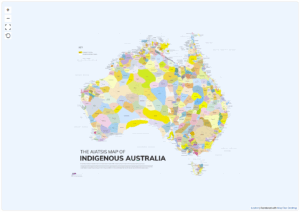
Map of Indigenous Australia – AIATSIS: https://aiatsis.gov.au/explore/map-indigenous-australia
-
Acknowledgment of Country Guidance – Reconciliation Australia: https://www.reconciliation.org.au/reconciliation/acknowledgement-of-country-and-welcome-to-country/
-
Inclusive Language Guidance – Australian Government Style Manual: https://www.stylemanual.gov.au/accessible-and-inclusive-content/inclusive-language/aboriginal-and-torres-strait-islander-peoples
 How buyer and delivery-impact stakeholder personas win bidsSeptember 14, 2026 - 4:26 am
 Rethinking tender strategy: Is your tender strategy actually a strategy?August 26, 2026 - 6:58 am
 The confidence gap: Why disciplined bids still lose and what to measure insteadJuly 29, 2026 - 7:01 am
 Technical businesses deserve marketing that truly understands themJanuary 20, 2026 - 5:34 am
 Acknowledging Country in infrastructure, engineering and construction proposalsDecember 5, 2025 - 2:28 pm
 How to write a compelling cover letter that strengthens your bidNovember 8, 2025 - 4:49 pm