

Acknowledging Country in Engineering and Infrastructure Proposals
Written by Stephanie De Leon, Principal Consultant, Frontrunner Communications
A small paragraph. Big impact. Your Acknowledgment of Country sets the tone for respect, collaboration, and professionalism, before anyone reads a single word of your proposal.
We acknowledge the Traditional Custodians of the land on which the Marri Wind Farm is proposed, the Yued Noongar people. We recognise their enduring connections to Country and community and pay our respects to Elders past and present and extend that respect to all Aboriginal and Torres Strait Islander people.
Accompanying imagery can strengthen an Acknowledgment of Country by adding depth, clarity, and cultural respect. The most effective visuals help readers connect with place and context — whether that’s through photographs of the construction site or infrastructure referenced in the proposal, images of significant natural landscape landmarks in the region, or shots of local waterways and surrounding vegetation.
Cultural elements can also be incorporated thoughtfully, such as traditional motifs, symbols of land and water, or artwork created by local First Nations artists. Where artwork is used, it’s important to properly acknowledge the artist and respect any cultural usage guidelines they specify.
Photographs of genuine engagement including Welcome to Country or smoking ceremonies, meetings with Elders, Indigenous participation, or cultural heritage assessments can add authenticity, provided they are taken and shared with appropriate permission.
-
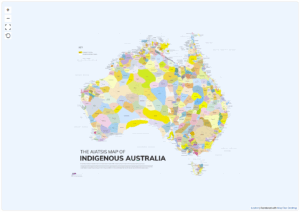
Map of Indigenous Australia – AIATSIS: https://aiatsis.gov.au/explore/map-indigenous-australia
-
Acknowledgment of Country Guidance – Reconciliation Australia: https://www.reconciliation.org.au/reconciliation/acknowledgement-of-country-and-welcome-to-country/
-
Inclusive Language Guidance – Australian Government Style Manual: https://www.stylemanual.gov.au/accessible-and-inclusive-content/inclusive-language/aboriginal-and-torres-strait-islander-peoples
Insights
 Why I Founded FrontRunner CommunicationsJanuary 20, 2026 - 5:34 am
 Acknowledging Country in Engineering and Infrastructure ProposalsDecember 5, 2025 - 2:28 pm
 How to Write a Cover Letter That Strengthens Your BidNovember 8, 2025 - 4:49 pm